

For decades, our management of type 2 diabetes in eye care has focused primarily on diabetic retinopathy. We screen, stage, and monitor retinal disease while appreciating the role of glycemic control in retinal outcomes. However, as glaucoma is increasingly understood as a neurodegenerative disease rather than purely a pressure problem, it may be worth asking whether systemic metabolic health plays a larger role than we once believed.
Glaucoma exists at the intersection of vascular dysregulation, metabolic stress, and neurodegeneration. From that perspective, it makes sense that systemic therapies used to treat diabetes could influence glaucoma. This connection has received little clinical attention.
What the Study Shows
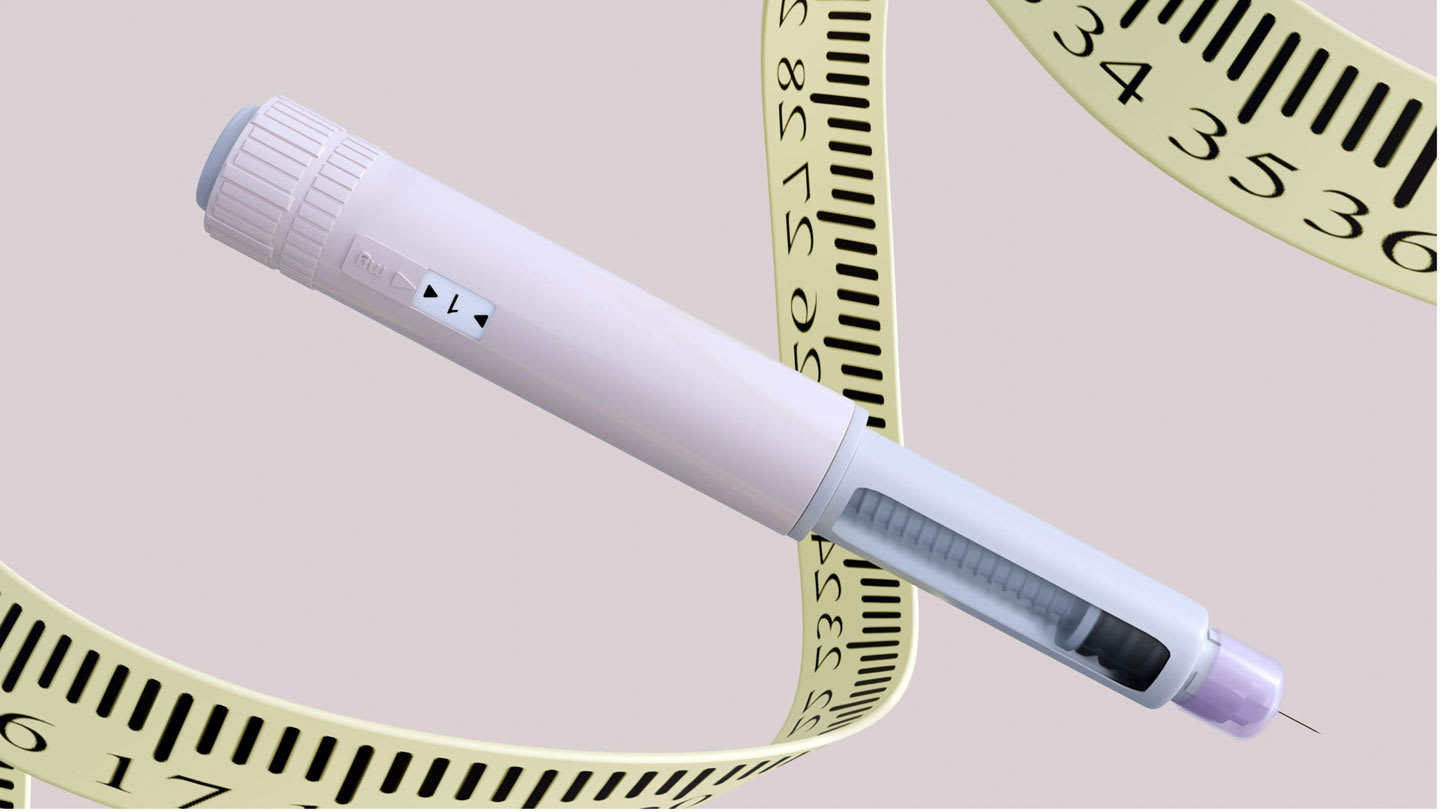
A 2024 study by Muayad et al, published in Ophthalmology, offers compelling new insight. This study compared the incidence of primary open-angle glaucoma (POAG) in patients treated with GLP-1 receptor agonists vs those on metformin.1
The results are provocative. Patients using GLP-1 receptor agonists demonstrated a lower risk of developing POAG compared to metformin users.1 This finding aligns with preclinical data that suggests GLP-1 agents have neuroprotective and anti-inflammatory properties. In animal models, these drugs cross the blood-brain and blood-retina barriers, reduce oxidative stress, and protect retinal ganglion cells from apoptosis.1-3 GLP‐1 RAs have the potential to directly protect patients with glaucoma by lowering retinal inflammation and neuronal death that is linked to ocular hypertension.4 These are mechanisms that directly relate to glaucomatous optic neuropathy.
One of the most striking elements of the study is the timing of the observed benefit. Glaucoma typically evolves slowly, often over decades. Yet the divergence in glaucoma risk between GLP-1 users and metformin users appeared relatively early.1 This challenges conventional thinking and raises the possibility that GLP-1 receptor agonists may stabilize vascular autoregulation or modulate neuroinflammatory pathways at an early, potentially reversible stage of disease.
Importantly, this was an observational study, and causality cannot be inferred. Metformin itself has been associated with neuroprotective effects, yet GLP-1 receptor agonists appeared to confer an additional advantage in this population.1,5
What This Means in the Exam Lane
Although optometrists are not prescribing GLP-1 receptor agonists for glaucoma, we should no longer view these medications as merely “weight-loss” or “A1c” drugs with ramifications that are specific to only diabetic retinopathy. Agents such as semaglutide and tirzepatide may have meaningful implications for ocular disease beyond diabetic retinopathy, including glaucoma.
We optometrists are often the first clinicians to detect glaucoma. We should be attentive to our patients’ systemic medication profiles and recognize that metabolic health and optic nerve health are closely linked. The metabolic-glaucoma connection is still emerging, but it represents a frontier we must watch closely. OM
References
- Muayad J, Loya A, Hussain ZS, et al. Comparative effects of glucagon-like peptide 1 receptor agonists and metformin on glaucoma risk in patients with type 2 diabetes. Ophthalmology. 2025;132(3):271-279. doi:10.1016/j.ophtha.2024.08.023
- Sterling JK, Adetunji MO, Guttha S, et al. GLP-1 receptor agonist NLY01 reduces retinal inflammation and neuron death secondary to ocular hypertension. Cell Rep. 2020;33(5):108271. doi:10.1016/j.celrep.2020.108271
- Hernández C, Bogdanov P, Corraliza L, et al. Topical administration of GLP-1 receptor agonists prevents retinal neurodegeneration in experimental diabetes. Diabetes. 2016;65(1):172-187. doi:10.2337/db15-0443
- Asif M, Asif A, Rahman UA, et al. Incidence of glaucoma in type 2 diabetes patients treated with GLP-1 receptor agonists: a systematic review and meta-analysis. Endocrinol Diabetes Metab. 2025;8(4):e70059. doi: 10.1002/edm2.70059
- Lin HC, Stein JD, Nan B, et al. Association of geroprotective effects of metformin and risk of open-angle glaucoma in persons with diabetes mellitus. JAMA Ophthalmol. 2015;133(8):915-923. doi:10.1001/jamaophthalmol.2015.1440